Straight from Farm to Your Home – Fresh, Juicy Mangoes Await – Buy Now
Straight from Farm to Your Home – Fresh, Juicy Mangoes Await – Buy Now
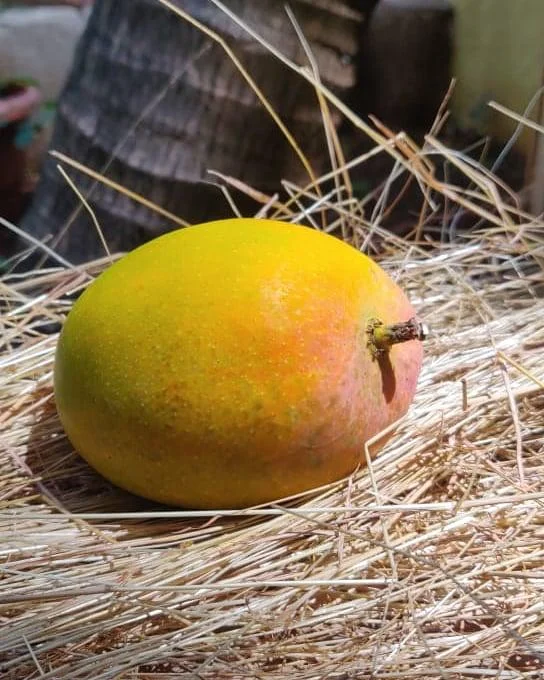
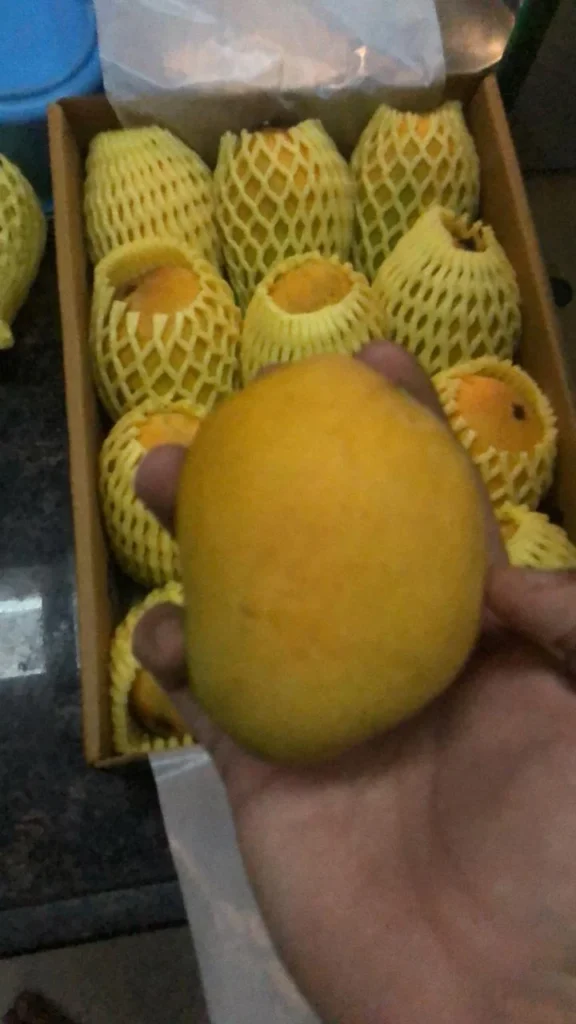
Shreevali Agro specializes in Mango Export from India to New Zealand, supplying premium-quality Indian mangoes sourced directly from trusted farms. As a reliable mango seller from India to New Zealand, we focus on proper grading, hygienic packing, and strict quality checks to meet international export standards. Our smooth logistics and compliance-driven process make mango export to New Zealand easy and dependable for importers and distributors.


Phytosanitary measures
Activities required for phytosanitary certification
A completed phytosanitary certificate issued by India’s NPPO must accompany all mango consignments exported to New Zealand. The phytosanitary certificate must be in English and must be an original. Bilingual certificates are acceptable as long as English is one of the languages.
Before a phytosanitary certificate is issued, India’s NPPO must be satisfied that the following activities required by MAF have been undertaken.
The mangoes have:
(i) been inspected in accordance with appropriate official procedures and found free from regulated organisms
AND
undergone treatment that is effective against regulated arthropod pests and been produced in accordance with terms of the Official Assurance Programme between MAF and the Directorate of Plant Protection, Quarantine and Storage, Ministry of Agriculture (PPQS) of India.
Additional declarations to the phytosanitary certificate
If satisfied that the pre-shipment activities have been undertaken, India’s NPPO must confirm this by providing the following additional declarations to the phytosanitary certificate:
The mangoes in this consignment have:
(i) been visually inspected in accordance with appropriate official procedures and found free from regulated organisms.
AND
(ii) been produced in accordance with terms of, and treated as per section 4.1 of, the Official Assurance Programme between MAF and the Directorate of Plant Protection, Quarantine and Storage (PPQS), Ministry of Agriculture of India.
NOTE: Full details of the Vapour Heat Treatment (VHT) , including temperature and duration, must be included in the “Disinfestation and/or Disinfection Treatment” area of the phytosanitary certificate and as an endorsed attachment to the phytosanitary certificate.
Caution: For the most up-to-date regulations and requirements, always refer to the APEDA website (www.apeda.gov.in) and Ministry for Primary Industries (MPI) https://www.mpi.govt.nz/.
Shreevali Agro® ensures a seamless export process for our premium Alphonso mangoes, delivering the finest taste of India to New Zealand
. Here’s how it works:
Licenses & Registration
Quality Assurance
Export-Grade Packaging
Cold Chain Logistics
Documentation
Delivery to New Zealand
Experience the luxury of fresh, GI-Tagged Alphonso mangoes with every export—where tradition meets global excellence.
Caution: For the most up-to-date regulations and requirements, always refer to the APEDA website (www.apeda.gov.in) and Ministry for Primary Industries (MPI).
Proper documentation is essential to ensure a smooth export process. Below are the key documents required:
Caution: Always verify the latest export regulations and documentation requirements on the APEDA website (www.apeda.gov.in) and the Ministry for Primary Industries (MPI) https://www.mpi.govt.nz/



Contact No: +91 9819845993
Email: info@shreevaliagro.com
Address: HD-086, 4th Floor, WeWork Zenia, Hiranandani Circle, Hiranandani business park Thane, MH 400607